
Article
The Energy Transition – A Path Towards a Sustainable Future
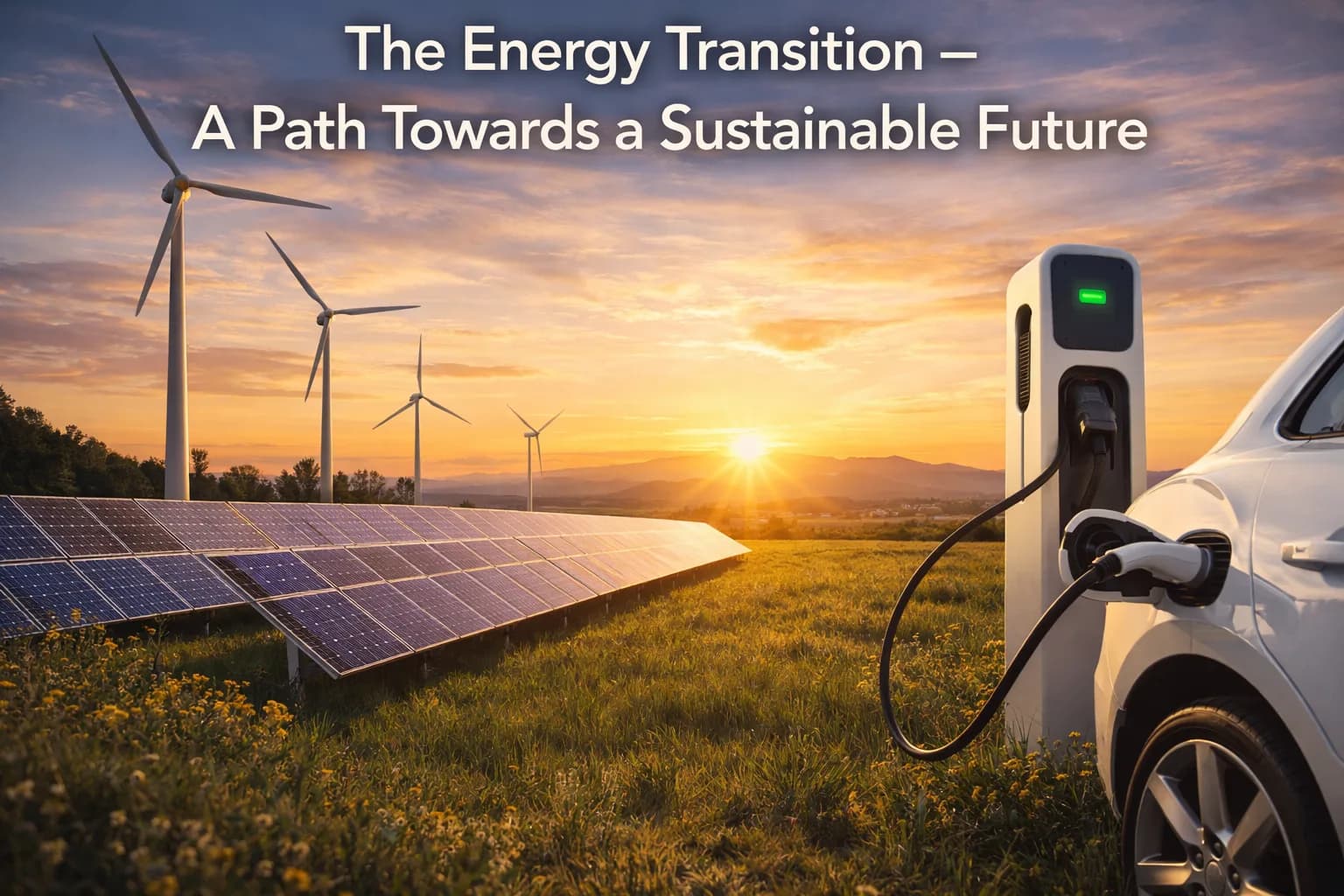
Understanding the Shift from Fossil Fuels to Renewable Energy
Introduction
The energy transition refers to the global shift from traditional fossil fuel-based energy systems to renewable and sustainable energy sources. This transformation is driven by the need to reduce greenhouse gas emissions, mitigate climate change, and secure a sustainable energy future. The transition encompasses a wide range of changes, including the adoption of clean energy technologies, improvements in energy efficiency, and the restructuring of energy markets and policies.
The Drivers of Energy Transition
Climate Change
One of the primary drivers of the energy transition is the urgent need to address climate change. The burning of fossil fuels, such as coal, oil, and natural gas, is the largest source of carbon dioxide (CO2) emissions, which contribute significantly to global warming. Transitioning to renewable energy sources like wind, solar, and hydropower can drastically reduce these emissions and help limit the rise in global temperatures. Economic Benefits Economic considerations also play a crucial role in the energy transition. Investing in renewable energy technologies can create jobs, stimulate economic growth, and reduce the dependency on imported fuels. Moreover, the cost of renewable energy has been falling rapidly, making it increasingly competitive with conventional energy sources.
Energy Security
Energy security is another key factor driving the transition. Renewable energy sources are often more evenly distributed globally than fossil fuels, which can reduce the geopolitical risks associated with energy supply. By diversifying energy sources, countries can enhance their energy security and resilience.
Key Components of the Energy Transition
Renewable Energy Sources
Renewable energy sources are at the heart of the energy transition. These include:
• Wind Energy: Wind turbines convert the kinetic energy of wind into electricity. Wind energy is one of the fastest-growing renewable energy sources due to its scalability and declining costs. • Solar Energy: Solar panels capture sunlight and convert it into electricity. Advances in photovoltaic technology have made solar energy more efficient and affordable. • Hydropower: Hydropower plants generate electricity by harnessing the energy of flowing water. It is a well-established technology that provides a significant share of renewable energy globally. • Biomass Energy: Biomass energy is produced from organic materials, such as plant and animal waste. It can be used for heating, electricity generation, and as biofuels for transportation. • Geothermal Energy: Geothermal energy utilizes heat from the Earth’s interior to generate electricity and provide heating. It is a reliable and sustainable energy source with a small environmental footprint.
Energy Efficiency
Improving energy efficiency is a critical component of the energy transition. By using energy more efficiently, we can reduce overall energy demand and lower greenhouse gas emissions. This can be achieved through various measures, such as upgrading buildings with better insulation, adopting energy-efficient appliances, and optimizing industrial processes.
Technological Innovation
Technological innovation plays a vital role in the energy transition. Advances in energy storage, smart grids, and digital technologies are enabling the integration of renewable energy into the grid and enhancing the reliability and efficiency of energy systems. Additionally, research and development in areas like hydrogen fuel cells and carbon capture and storage (CCS) hold promise for further reducing emissions.
Policy and Regulation
Effective policy and regulation are essential to drive the energy transition. Governments can implement policies that incentivize the adoption of renewable energy, such as subsidies, tax breaks, and renewable portfolio standards. Additionally, regulations that set emissions targets and establish carbon pricing mechanisms can help steer the economy towards low-carbon solutions.
Challenges and Opportunities / Challenges
The energy transition faces several challenges that need to be addressed:
• Infrastructure: Transitioning to renewable energy requires significant investments in infrastructure, such as new transmission lines, storage facilities, and grid upgrades. • Intermittency: Some renewable energy sources, like solar and wind, are intermittent and depend on weather conditions. Developing reliable storage solutions and grid management systems is crucial to address this issue. • Financing: Mobilizing sufficient financing for renewable energy projects can be challenging, particularly in developing countries. Innovative financing mechanisms and international cooperation are needed to bridge the funding gap. • Social Acceptance: The energy transition can impact communities and industries reliant on fossil fuels. Ensuring a just transition that provides support and opportunities for affected workers and regions is essential for gaining social acceptance. Opportunities Despite the challenges, the energy transition presents numerous opportunities: • Job Creation: The renewable energy sector has the potential to create millions of jobs in areas such as manufacturing, installation, maintenance, and research. • Innovation: The transition fosters innovation and technological advancements, driving economic growth and enhancing global competitiveness. • Environmental Benefits: By reducing greenhouse gas emissions and air pollution, the energy transition can improve public health and preserve ecosystems. • Energy Access: Renewable energy can provide access to electricity in remote and underserved areas, improving the quality of life and supporting sustainable development.
Conclusion
The energy transition is a complex but necessary journey towards a sustainable future. By embracing renewable energy sources, improving energy efficiency, fostering technological innovation, and implementing effective policies, we can create a resilient and low-carbon energy system. While challenges remain, the opportunities for economic growth, job creation, and environmental protection make the energy transition an imperative for the well-being of current and future generations.