Article
Digital Twins for Energy Systems
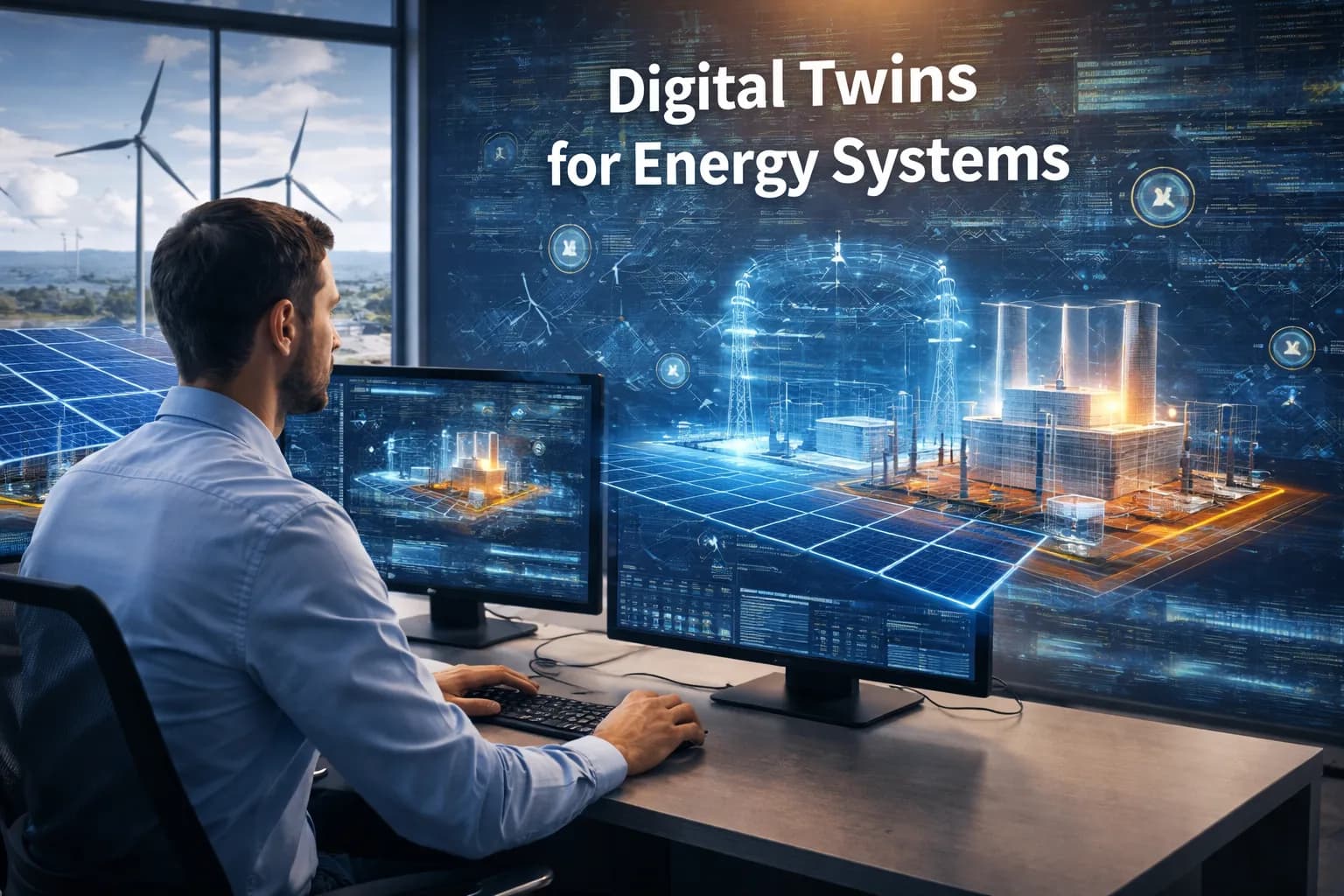
Revolutionizing the Energy Sector with Advanced Simulation Technology
In the rapidly evolving landscape of technology, few innovations have the potential to transform industries as profoundly as digital twins. A digital twin is a virtual representation of a physical entity, system, or process that can be used for simulation, analysis, and optimization. In the energy sector, digital twins are poised to revolutionize the way we manage and optimize energy systems, enhancing efficiency, reliability, and sustainability.
Understanding Digital Twins
Digital twins are created by integrating real-time data from sensors, IoT devices, and other sources with advanced modeling and simulation tools. This virtual replica evolves alongside its physical counterpart, continuously updating and reflecting changes in real-world conditions. By leveraging artificial intelligence, machine learning, and big data analytics, digital twins provide detailed insights into performance, anomalies, and potential improvements.
Applications in Energy Systems
The application of digital twins in energy systems spans a wide range of areas, from power generation and distribution to consumption and storage. Here are some key applications:
• Power Generation: Digital twins can model and simulate the operation of power plants, whether they are coal, gas, nuclear, or renewable energy sources like solar and wind. These models help optimize generation efficiency, predict maintenance needs, and reduce downtime. • Grid Management: For electricity grids, digital twins aid in monitoring and managing load distribution, detecting faults, and preventing outages. They can simulate various scenarios to ensure grid stability and reliability. • Energy Storage: In battery and storage systems, digital twins assess performance, predict degradation, and optimize charging cycles. This ensures maximum efficiency and longevity of storage assets. • Demand Forecasting: By analyzing consumption patterns and external factors like weather, digital twins can accurately forecast energy demand, enabling better planning and resource allocation. • Renewable Integration: Digital twins facilitate the integration of renewable energy sources into the grid by simulating their variable output and optimizing grid operations accordingly.
Benefits of Digital Twins in Energy Systems
The adoption of digital twins in energy systems brings numerous benefits that enhance operational efficiency, reduce costs, and promote sustainability. Some of the key benefits include:
• Improved Efficiency: By providing a detailed understanding of system performance and identifying areas for improvement, digital twins help optimize energy production and consumption. • Predictive Maintenance: Digital twins can predict equipment failures and maintenance needs before they occur, reducing downtime and maintenance costs. • Enhanced Reliability: Through continuous monitoring and simulation, digital twins ensure the reliable operation of energy systems, minimizing disruptions and outages. • Cost Reduction: Optimizing operations and preventing failures lead to significant cost savings in both energy production and distribution. • Sustainability: Digital twins aid in the integration of renewable energy sources and the reduction of carbon emissions, promoting a more sustainable energy future. Challenges and Considerations While the potential of digital twins in energy systems is immense, there are several challenges and considerations to address for successful implementation: • Data Integration: Ensuring seamless integration of data from diverse sources, including legacy systems, sensor networks, and IoT devices, is critical for accurate and effective digital twin operations. • Cybersecurity: Protecting digital twins from cyber threats is essential to maintain the integrity and security of energy systems. • Scalability: Developing scalable solutions that can handle large volumes of data and complex simulations is necessary for widespread adoption. • Regulatory Compliance: Adhering to regulations and standards in the energy sector is crucial for the deployment of digital twin technology. • Investment: Significant investment in technology, infrastructure, and skilled personnel is required to implement and maintain digital twins.
Future Prospects
The future of digital twins in the energy sector is promising, with advancements in technology driving continuous improvements. As AI and machine learning algorithms become more sophisticated, digital twins will provide even more accurate predictions and optimizations. The integration of blockchain technology may enhance data security and transparency, further solidifying the role of digital twins in energy systems. Moreover, collaborations between energy companies, technology providers, and research institutions will foster innovation and drive the development of new applications. Governments and regulatory bodies will play a vital role in creating favorable policies and frameworks to support the adoption of digital twins.
In conclusion, digital twins represent a transformative technology that has the potential to reshape the energy sector. By leveraging advanced simulation and real-time data analysis, digital twins offer unprecedented insights and optimizations that enhance efficiency, reliability, and sustainability. As the technology continues to evolve, its impact on energy systems will only grow, paving the way for a smarter, more resilient, and sustainable energy future.